
5 Common Oregon Heating Mistakes That Drive Up Energy Bills (and Simple Fixes)
Reading time: 12–14 minutes • Updated for Oregon homes
Why Oregon Homes Struggle with Winter Comfort
When cold Pacific systems roll through and the east winds rip down the Columbia Gorge, Oregon homes face a unique mix of damp chill and temperature swings. From Portland bungalows to Bend chalets and coastal cottages in Newport and Astoria, the same problems pop up: heat slipping through leaky attics, undersized returns starving equipment, and thermostats that trigger costly auxiliary heat. Electricity and gas rates fluctuate, but wasted heat is always expensive. Good news: most issues come down to maintenance, right-sizing, air sealing, smart controls, and duct performance. Fix these, and you’ll feel warmer at lower setpoints, cut noise, and reduce breakdowns.
Mistake #1: Skipping Annual Furnace/Heat Pump Maintenance
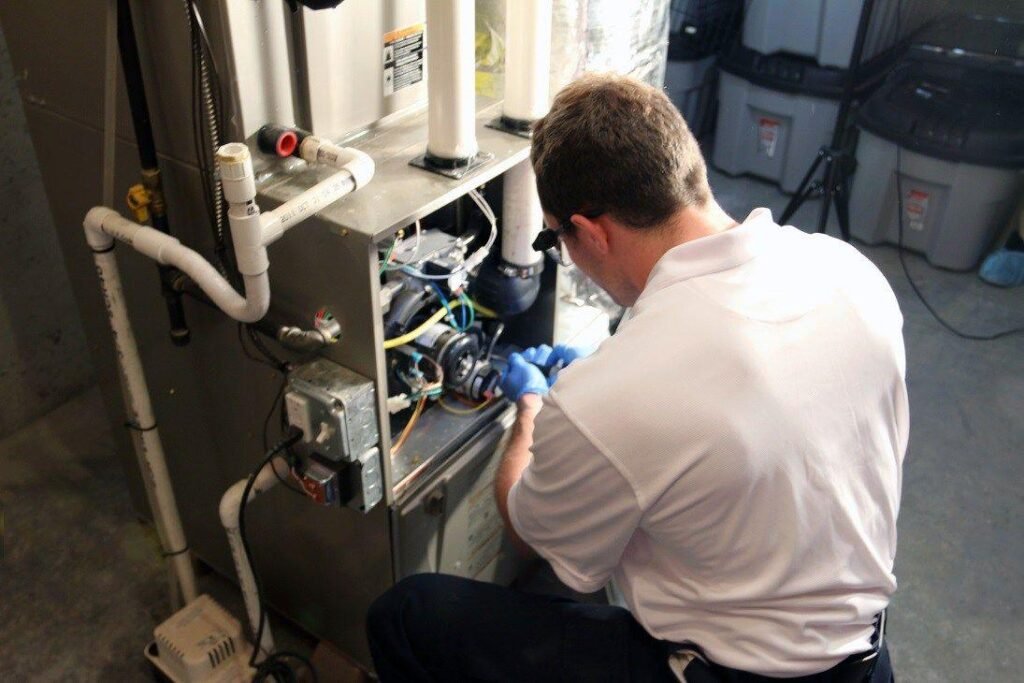
Heating systems lose efficiency when filters clog, coils soil, and blowers drift out of spec. A neglected gas furnace risks safety issues like cracked heat exchangers, while heat pumps run longer (and louder) when outdoor coils are matted with fir needles or coastal salt. Left alone, minor issues become major repairs—often on the coldest night.
How to Fix It
- DIY every 30–60 days: Replace or wash filters; keep 2–3 feet of clearance around the outdoor unit; vacuum returns; verify supply vents are open. For deeper help, see our HVAC Maintenance in Tigard and Furnace Maintenance in Lake Oswego.
- Pro tune-up (fall): Combustion/safety checks (furnace), measure static pressure, test capacitors, clean burners & flame sensor, wash coils, calibrate thermostat, verify refrigerant charge, and ensure defrost control is working for heat pumps. If you’re overdue, start with Furnace Repair.
- Keep records: Document parts replaced and readings. This helps spot trends before failures.
Mistake #2: Wrong-Sized Equipment (Oversizing & Undersizing)
Bigger isn’t better. Oversized furnaces short-cycle, creating temperature swings and noise; undersized heat pumps run forever, inviting auxiliary heat to kick on. Both waste energy and wear parts out. The cure is a Manual J heat loss calculation for your exact home, plus duct and blower sizing to match.
How to Fix It
- Get a proper load calculation: Ask for room-by-room Manual J and a Manual S equipment selection to match, then Manual D for duct design. We can also evaluate existing ducts: see Duct Maintenance and Duct Replacement.
- Consider climate-appropriate heat pumps: Cold-climate models maintain capacity in the 20s °F, ideal for Eastern Oregon and Gorge nights.
- Balance airflows: Right-sized equipment still performs poorly with undersized returns. Target manufacturer-recommended CFM per ton and verify with measurements.
Mistake #3: Poor Air Sealing & Insulation
Heat loves to escape through attic bypasses, recessed lights, chimney chases, and leaky rim joists. Ducts in unconditioned spaces multiply the loss. Without sealing and insulation, your system fights a losing battle—especially during Gorge wind events that pressurize and depressurize older homes.
How to Fix It
- Start at the top: Seal attic penetrations (plumbing stacks, can lights, top plates), then add insulation to recommended R-values for your zone.
- Rim joist & crawlspace: Use rigid foam and spray foam at rim joists; ensure crawlspace vents and vapor barriers are correct to control moisture.
- Ducts matter: Seal with mastic and insulate ducts in attics/crawls; if yours are failing, consider Duct Installation.
- Leverage incentives: Check Energy Trust of Oregon for weatherization rebates and contractor directories.
Mistake #4: Thermostat Misuse (Setbacks, Schedules, Heat Pump Mode)
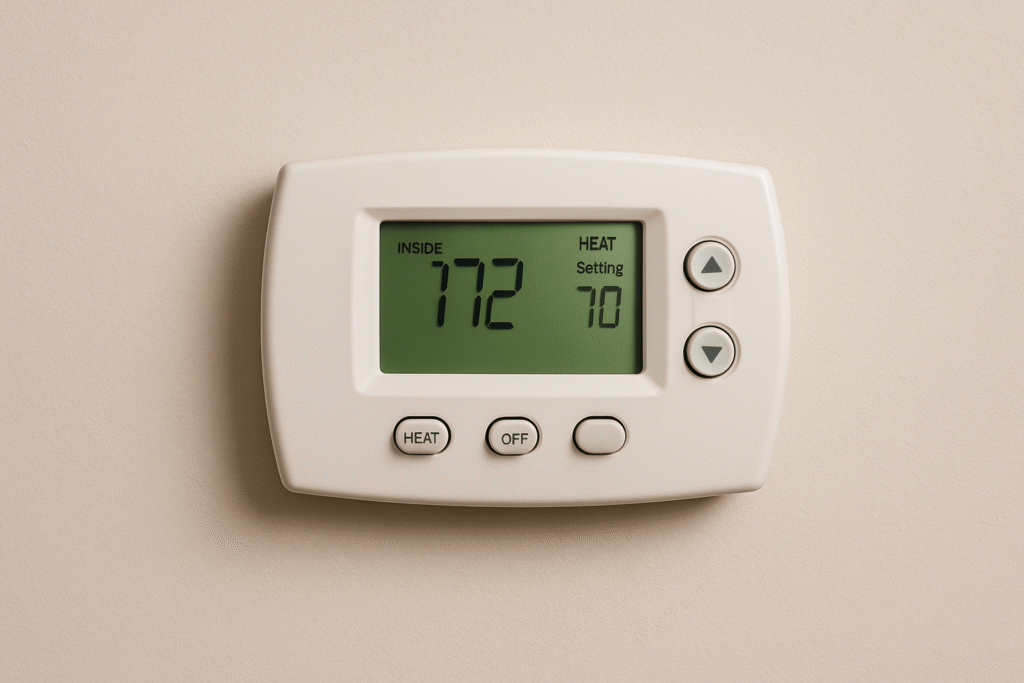
Cranking the thermostat doesn’t heat faster; it just risks overshoot or kicks on auxiliary strips. Heat pumps need gentle setbacks because deep drops can trigger expensive backup heat. Sensors placed near drafts or sunny windows also lie to your system, creating cold rooms elsewhere.
How to Fix It
- Use moderate setbacks: 2–4°F for heat pumps; 5–7°F for gas furnaces. Avoid big swings.
- Enable aux heat lockout (if supported): Set a temperature lockout so strips don’t run unless outdoor temps truly require it.
- Smart schedules: Program wake/leave/return/sleep blocks and let adaptive algorithms pre-heat gradually. For a seasonal tune-up primer, read Why Seasonal HVAC Tune-Ups Are a Must in Portland’s Damp, Changing Climate.
- Correct placement: Mount the thermostat away from direct sun, drafts, and heat registers.
Mistake #5: Neglecting Ductwork (Leaks & Imbalance)
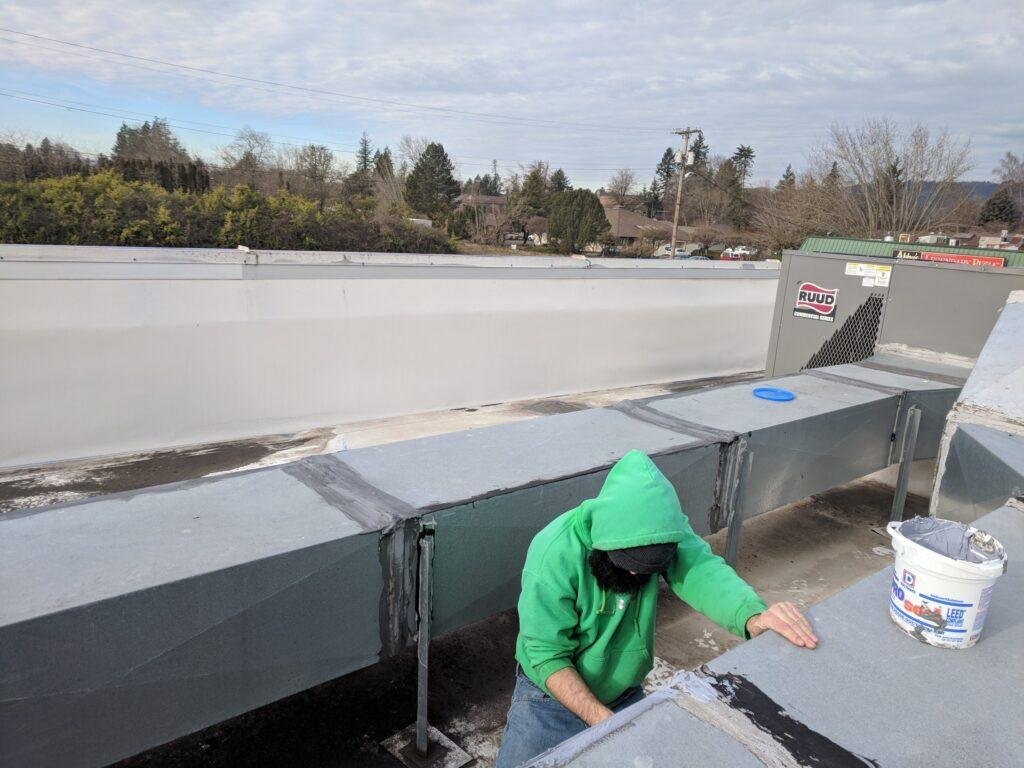
Leaky or unbalanced ducts can waste 20–30% of heating energy and create hot-cold rooms. High-MERV filters without enough return area raise static pressure, hurting airflow and efficiency. Even brand-new systems need commissioning to verify the numbers, not just “it feels warm.”
Duct SealingHow to Fix It
- Test, then seal: Ask for duct leakage testing. Seal with mastic or UL-181 foil tape; insulate ducts in unconditioned spaces.
- Measure static pressure: A quick manometer test tells if your blower is overworked. Add or enlarge returns if needed.
- Balance air: Adjust dampers and registers; verify room CFM against design targets. We diagnose and fix duct issues—see Duct Maintenance.
Quick-Start Oregon Heating Playbook
- September–October: Pro tune-up; replace filters; test CO alarms (for gas). If you’re in Tigard, start here: HVAC Maintenance in Tigard.
- November–January: Rinse heat pump coil; check attic hatch weatherstripping; monitor bills for spikes. If your system struggles, book Furnace Repair.
- February–March: Duct inspection; plan air sealing/insulation upgrades; schedule spring AC service—see AC Maintenance.
FAQs
1) How often should I service my furnace or heat pump? Once a year for heating (fall) and again before cooling season for heat pumps. Filters typically every 30–90 days. 2) What thermostat setback is best for heat pumps? Keep setbacks modest (2–4°F). Large drops can trigger auxiliary heat, which is costly. 3) I have rooms that run cold. Is this a sizing issue? Maybe—but it’s often duct leakage or imbalance. Test, seal, and balance before replacing equipment. Consider Duct Maintenance. 4) Are high-MERV filters always better? Higher MERV improves filtration but can reduce airflow if returns are undersized. Follow equipment guidelines. 5) What’s the fastest comfort upgrade on a budget? Air sealing the attic and rim joist. It’s invisible work with big comfort and bill savings. If your ducts are leaky or failing, Duct Installation may be the best long-term fix.
Conclusion: Avoid the Big Five, Enjoy a Warmer Winter
If you tackle maintenance, right-size your system, seal and insulate, train your thermostat, and tune your ducts, you’ll avoid the most common pitfalls. You’ll also spend less, breathe easier, and extend your system’s life. Keep Oregon’s Top 5 Heating Mistakes Homeowners Make (and How to Avoid Them) handy as a checklist, and you’ll be ahead of 90% of homeowners this winter.