
If you are shopping for a new heat pump in Portland, one of the first questions is usually pretty simple:
How much is this actually going to cost?
For most homeowners in the Portland metro area, a professionally installed ducted heat pump system in 2026 will usually fall somewhere around:
$7,000 to $15,000 installed
Premium variable-speed systems, hybrid heat pump and gas furnace combinations, major ductwork changes, electrical upgrades, or difficult installations can push the price higher.
Published Portland pricing data currently puts many heat pump installations between roughly $4,700 and $13,400, depending heavily on what type of system is being installed and what the job actually requires.
But after installing and servicing HVAC systems around Portland for years, we think there is a much more important point:
The price of the equipment is only part of the price of a heat pump.
The condition of the ductwork, electrical system, refrigerant piping, controls, airflow, installation difficulty, and quality of the installation can make just as much difference as the brand name on the outdoor unit.
Here is how we look at heat pump pricing from a contractor’s perspective.
The Quick Answer
For a typical Portland-area home, we would generally expect these kinds of numbers:
| Heat Pump Installation | Typical 2026 Portland Cost |
|---|---|
| Basic heat pump replacement | $7,000-$9,000 |
| Mid-range ducted heat pump | $8,000-$12,000 |
| Higher-efficiency heat pump | $10,000-$15,000 |
| Variable-speed / inverter system | $12,000-$18,000+ |
| Heat pump + gas furnace hybrid system | $12,000-$20,000+ |
| Installation requiring major ductwork or electrical upgrades | $15,000-$20,000+ |
These aren’t quotes.
They are realistic planning numbers.
There are certainly systems that can be installed for less, and there are plenty of installations that cost considerably more.
The problem with asking, “How much does a heat pump cost?” is that it is a little like asking:
How much does a truck cost?
A basic work truck and a loaded diesel pickup are both trucks.
They aren’t the same product.
Heat pumps work the same way.
What We See in the Field
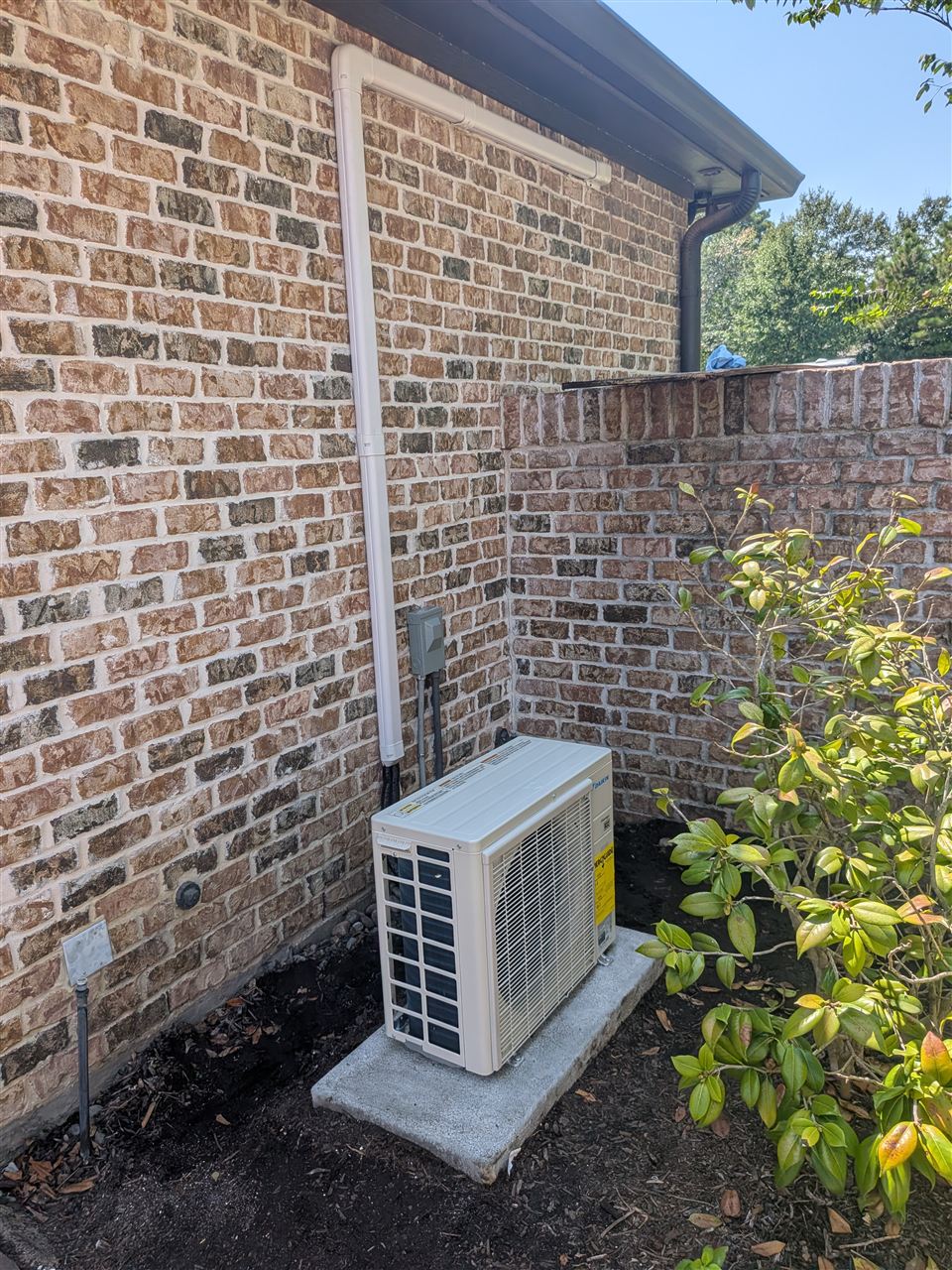
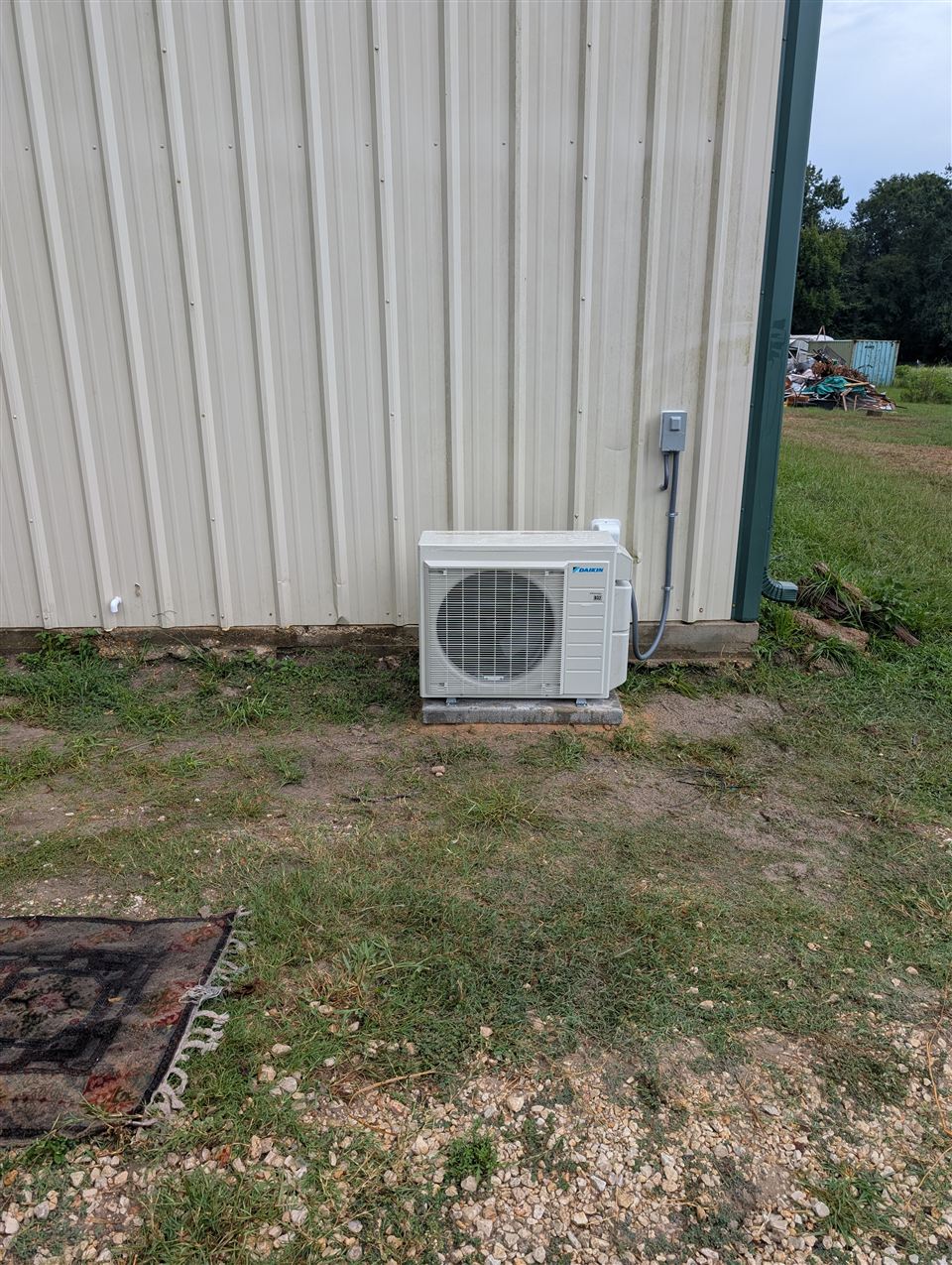
Both photos show mini-split heat pump outdoor units. Mini-split heat pumps can serve ductless indoor units or compatible ducted indoor units; the outdoor photos alone do not show which indoor configuration is used. These examples do not establish the installed price of either system.
One of the biggest mistakes homeowners make when comparing HVAC estimates is assuming every contractor is bidding the same job.
They often aren’t.
We may look at a house and see:
- deteriorated ductwork
- undersized return air
- crushed flex duct
- leaking connections
- incorrect equipment sizing
- bad airflow
- old refrigerant piping
- electrical issues
- an incompatible thermostat
- outdated zoning equipment
Another estimate may simply say:
Replace heat pump.
Naturally, those bids aren’t going to be the same price.
That doesn’t automatically make the more expensive contractor overpriced.
And it doesn’t automatically make the cheaper contractor a bargain.
You have to compare what is actually being installed and corrected.
What Does a Basic Heat Pump Replacement Cost?
A relatively straightforward heat pump replacement in Portland will commonly start somewhere around:
$7,000 to $9,000
That usually means we are dealing with a fairly uncomplicated installation where:
- existing ductwork is usable
- electrical service is adequate
- equipment location is accessible
- refrigerant piping can be properly reused or adapted
- no major structural changes are required
- controls are relatively simple
This would generally be an entry-level or basic efficiency system.
There is nothing necessarily wrong with that.
Not every homeowner needs the most sophisticated HVAC system available.
Sometimes a dependable, properly installed basic heat pump is exactly the right choice.
What Does a Better Mid-Range Heat Pump Cost?
A good mid-range ducted heat pump installation will commonly land around:
$8,000 to $12,000
This is where we think many homeowners will find the best balance between:
- equipment cost
- efficiency
- comfort
- repairability
- long-term ownership cost
You may start seeing better compressors, improved blower control, quieter operation, better efficiency, and more sophisticated controls.
For many houses, this is the sweet spot.
What About High-End Variable-Speed Heat Pumps?
This is where things start getting interesting.
Variable-capacity and inverter-driven heat pumps can adjust their output rather than simply operating at full capacity and shutting off.
A traditional single-stage system is basically:
100% or OFF.
A variable system can operate much closer to what the house actually needs.
That can give you:
- longer run times
- more even temperatures
- quieter operation
- better efficiency
- improved comfort
- fewer noticeable temperature swings
A premium variable-speed installation can easily reach:
$12,000 to $18,000 or more.
Does everybody need one?
No.
Do we like them in the right application?
Absolutely.
But this is also where installation quality becomes extremely important.
Installing premium equipment on bad ductwork is like putting a great engine in a truck with four flat tires.
You still have a problem.
One Thing We Like in Portland: Hybrid Heat Pump Systems
One option we particularly like for some Portland homes is pairing a heat pump with a gas furnace.
This is generally called:
Dual fuel
or
Hybrid heat.
Instead of getting rid of the gas furnace entirely, the heat pump provides much of the heating during Portland’s relatively mild weather.
When conditions call for it, the gas furnace can take over.
We like this arrangement because it gives the homeowner options.
You get:
- heat pump efficiency
- air conditioning
- gas backup heat
- flexibility as energy prices change
- strong cold-weather performance
It can be especially attractive when replacing an older furnace and air conditioner together.
A good hybrid system will generally cost more than a basic heat pump installation, but we think it deserves serious consideration in houses that already have natural gas.
Heat Pump Size Matters More Than Most Homeowners Realize
Heat pumps are available in different capacities, usually described in tons.
Common residential sizes include:
- 2 ton
- 2.5 ton
- 3 ton
- 3.5 ton
- 4 ton
- 5 ton
Naturally, larger systems usually cost more.
But we don’t recommend choosing equipment based on:
“The old one was 4 tons, so put another 4 ton in.”
The existing system may have been wrong from the beginning.
Equipment sizing should take into consideration things such as:
- square footage
- insulation
- windows
- orientation
- air leakage
- ceiling height
- duct system
- heat gain
- heat loss
Bigger is not automatically better.
An oversized heat pump can create its own comfort problems.
The Ductwork Can Make or Break the Entire Installation
This may be the most important thing we can tell homeowners shopping for a ducted heat pump.
Your heat pump can only move the air that the duct system allows it to move.
We see a lot of duct problems.
Especially in older Portland-area homes and crawl spaces.
Common problems include:
- crushed ductwork
- torn outer jackets
- disconnected ducts
- poor supports
- restrictive bends
- undersized returns
- poorly designed transitions
- leaking plenums
- damaged insulation
If the equipment needs 1,200 CFM of airflow and the duct system can only reasonably move 800 CFM, buying a more expensive heat pump doesn’t solve the underlying problem.
That can affect:
- capacity
- efficiency
- compressor operation
- coil temperatures
- comfort
- equipment life
This is one of the reasons we don’t like pricing an HVAC replacement by equipment alone.
How Much Does Ductwork Add?
There isn’t one number.
Minor duct repairs may add several hundred dollars.
Substantial duct modifications can add several thousand.
A complete duct system replacement can be a project of its own.
That means a homeowner may receive:
Estimate A: $9,000
and
Estimate B: $14,000
and assume Estimate A is cheaper.
But Estimate B may include correcting several thousand dollars worth of existing duct problems.
Read the scope.
The number at the bottom doesn’t tell the entire story.
Electrical Work Can Change the Price Too
Heat pumps are electric equipment.
Depending on the house and existing system, installation may require:
- new breakers
- new circuits
- disconnect replacement
- wiring changes
- service upgrades
- air-handler circuits
- auxiliary heat circuits
Converting a house from gas-only heating to an all-electric heat pump can require considerably more electrical work than replacing an existing heat pump.
That is another reason an online heat pump calculator can only tell you so much.
Should You Go All-Electric?
Maybe.
We don’t automatically tell every homeowner to remove their gas furnace.
Some Portland homes are excellent candidates for all-electric heat pumps.
Others may be better served by a hybrid system.
We look at:
- the house
- existing equipment
- ductwork
- electrical capacity
- insulation
- homeowner comfort preferences
- fuel availability
- operating cost
- installation cost
The answer should come from the house, not from a political slogan or marketing campaign.
Single-Stage vs. Multi-Stage vs. Variable-Speed
This makes a substantial difference in heat pump cost.
Single-Stage
Simple.
Usually less expensive.
The compressor is essentially either running or not running.
For homeowners looking for dependable heating and cooling without a lot of additional technology, this can still be a very reasonable choice.
What we like:
- lower initial cost
- simpler operation
- generally straightforward repair
- proven technology
What we don’t like:
- larger temperature swings
- less precise capacity control
- potentially louder operation
- lower efficiency than premium systems
Multi-Stage
Multi-stage equipment gives the system another operating level.
Instead of going directly to full output every time, it may run at a lower capacity when the house doesn’t need everything the equipment can produce.
What we like:
- improved comfort
- longer cycles
- better temperature control
- improved efficiency
For many homeowners, this is a very good compromise between basic and premium equipment.
Variable-Speed / Inverter
This is where heat pump technology has made some of its biggest improvements.
Variable systems can continually adjust capacity based on demand.
What we like:
- very even temperatures
- quiet operation
- long run times
- excellent efficiency
- better comfort
What we don’t like:
- higher purchase price
- more electronics
- more complex diagnostics
- proprietary controls on some systems
- potentially higher repair costs
Premium technology isn’t automatically better for every homeowner.
That is worth saying.
Don’t Forget About the Thermostat and Controls
High-end heat pumps increasingly rely on communicating controls.
That can allow the thermostat, indoor unit, and outdoor equipment to share significantly more information than a conventional thermostat.
Depending on the equipment, that may include control over:
- compressor capacity
- blower speed
- staging
- humidity
- auxiliary heat
- equipment diagnostics
We like communicating systems when the entire installation is designed around them.
What we don’t like is trying to combine pieces that weren’t designed to work together.
Existing Zoned Systems Need Extra Attention
This is especially important.
If your house currently has motorized dampers and a zoning control board, don’t assume that the existing zoning equipment will automatically work correctly with a new premium communicating heat pump.
Sometimes it won’t.
The project may require changing:
- the zone control board
- thermostats
- dampers
- wiring
- bypass arrangements
- control strategy
If you are paying for a sophisticated variable-capacity heat pump, the controls need to allow the equipment to operate the way it was designed.
Otherwise, you may be paying for capabilities you’re not actually using.
What Should Be Included in a Heat Pump Installation?
This is another area where estimates can look similar but be very different.
Depending on the job, a proper installation should address:
- removal of existing equipment
- outdoor heat pump
- indoor coil or air handler
- equipment pad
- refrigerant piping
- refrigerant evacuation
- electrical connections
- condensate drainage
- thermostat and controls
- proper equipment setup
- refrigerant charge
- airflow
- heating operation
- cooling operation
- permits where required
The exact scope depends on the house.
But installing a heat pump should involve more than setting two pieces of equipment in place and turning them on.
Installation Quality Matters More Than the Logo
We install and service multiple brands.
There are brands we prefer for particular applications.
But after decades in HVAC, we would take:
a properly installed good system
over
a poorly installed premium system
every time.
An HVAC system is assembled in your house.
The installer controls things like:
- airflow
- duct connections
- refrigerant piping
- evacuation
- charge
- drainage
- wiring
- thermostat setup
- equipment configuration
The manufacturer’s engineering matters.
The installation matters just as much.
What About Heat Pump Rebates in Oregon?
There are still heat pump incentives available in Oregon in 2026, but homeowners need to be careful about reading old rebate articles.
Oregon’s Heat Pump Purchase Program currently provides a $2,000 incentive for qualifying heat pumps.
However, as of September 4, 2026, the state reports that funding for existing owner-occupied homes is fully reserved. Funding remains available in certain rental and new-construction categories.
There are also other state and utility-related programs with their own eligibility requirements.
For example, Energy Trust of Oregon has a limited 2026 program that can cover qualifying ductless or ducted heat pump installations for certain income-qualified Portland General Electric and Pacific Power customers replacing or displacing existing electric heating equipment.
Programs change.
Funding runs out.
Qualifications change.
Our advice is simple:
Verify the actual incentive available for your property before choosing equipment based on a rebate.
A Word About the Old $2,000 Federal Heat Pump Tax Credit
This deserves its own section because there is outdated information all over the internet.
The federal Section 25C Energy Efficient Home Improvement Credit previously provided up to $2,000 for qualifying heat pumps.
That credit ended for property placed in service after December 31, 2025.
So don’t base a 2026 purchasing decision on an article still advertising the old federal $2,000 heat pump credit.
Is a Heat Pump Worth It in Portland?
In many cases:
Yes.
Portland is a particularly good climate for modern air-source heat pumps because we spend a lot of the heating season at relatively moderate outdoor temperatures.
A heat pump also gives you both:
Heating and air conditioning.
For someone replacing an aging furnace and air conditioner at the same time, that can make a lot of sense.
But we don’t think everybody should automatically buy one.
There are homes where:
- keeping gas makes sense
- hybrid heating makes sense
- a simple system makes sense
- premium variable equipment makes sense
That is why we evaluate the entire house instead of recommending one system to everybody.
Who We Think Should Consider a Heat Pump
A heat pump deserves serious consideration if:
- your furnace and AC are both aging
- you already have a heat pump that needs replacement
- you want heating and cooling from one system
- you want better efficiency
- you are considering reducing natural gas use
- you want more consistent comfort
- you are interested in variable-capacity equipment
It is especially worth looking at when you are already facing the cost of replacing both the furnace and air conditioner.
Who Might Want to Keep a Gas Furnace?
We would at least consider keeping gas if:
- your existing gas furnace is relatively new
- you prefer gas heat
- your electrical service would require expensive upgrades
- you want redundancy
- a hybrid system fits the house
- replacing the furnace doesn’t make financial sense yet
A heat pump does not require you to throw away a perfectly good gas furnace.
That is one of the reasons we like hybrid systems.
Our Biggest Warning When Shopping for a Heat Pump
Don’t shop by SEER2 rating alone.
And don’t shop only by price.
A 20-SEER2 heat pump connected to poor ductwork can be a very expensive disappointment.
We would rather see a homeowner install a good mid-range system with:
- correct sizing
- proper airflow
- good ductwork
- correct refrigerant charge
- good controls
- proper commissioning
than spend every available dollar on premium equipment while ignoring everything connected to it.
What We Would Choose
This depends on the house.
For a homeowner looking mainly for value and reliability, we would lean toward a good mid-range heat pump from a manufacturer with:
- strong local parts support
- reasonable warranty coverage
- equipment our technicians know
- straightforward serviceability
For someone prioritizing comfort, noise, and efficiency, we would look seriously at variable-capacity equipment.
And where natural gas is already available, we often like a properly designed heat pump + high-efficiency gas furnace hybrid system.
That gives the homeowner a very capable system without putting all of their eggs in one heating basket.
The Bottom Line
So, how much does a heat pump cost in Portland in 2026?
For most homeowners, we think a realistic budget is:
About $7,000 to $15,000 installed
Basic replacements can fall near the lower end.
Higher-end variable systems, hybrid systems, electrical work, duct modifications, zoning upgrades, and difficult installations can push the project above that range.
But the cheapest estimate isn’t automatically the best value.
And the most expensive heat pump isn’t automatically the best system.
The goal is to install the right equipment for the house and make the entire system work correctly.
After all, you’re not really buying a heat pump.
You’re buying the heating and cooling system that you’re going to depend on every day for the next decade or more.
Thinking About Replacing Your Heat Pump in Portland?
Duct Guys installs, replaces, and services heat pumps throughout the Portland metro area.
We can evaluate:
- your existing equipment
- ductwork
- airflow
- electrical requirements
- controls
- zoning
- equipment sizing
and help determine whether a basic heat pump, higher-efficiency system, or hybrid heat pump and furnace combination makes the most sense.
Duct Guys, LLC
503-705-1176
Oregon CCB #179150
Frequently Asked Questions
How much does a heat pump cost in Portland, Oregon?
For 2026, we would generally budget around $7,000 to $15,000 for a professionally installed residential ducted heat pump. Premium systems and installations requiring additional work can cost more.
What does a 3-ton heat pump cost in Portland?
A professionally installed 3-ton system will often land somewhere around $8,000 to $13,000, depending on efficiency, equipment type, indoor equipment, controls, ductwork, and installation conditions.
Are heat pumps good in Portland?
Yes. Portland’s relatively moderate climate is well suited to modern air-source heat pumps.
Can I use a heat pump with my gas furnace?
Yes. A compatible heat pump can be paired with a gas furnace to create a dual-fuel or hybrid heating system.
Is a variable-speed heat pump worth the extra money?
It can be. Variable-capacity systems can provide excellent temperature consistency, lower sound levels, long operating cycles, and high efficiency. They also cost more and contain more sophisticated electronics.
Does my ductwork need to be replaced when I install a heat pump?
Not necessarily. If the existing ductwork is properly sized, sealed, insulated, and in good condition, it may be reusable. Damaged or restrictive ductwork should be corrected because it can prevent the new heat pump from performing properly.
Are Oregon heat pump rebates available in 2026?
Some programs remain available, but eligibility and available funding vary. Oregon’s $2,000 Heat Pump Purchase Program currently has no remaining funding available for new reservations on existing owner-occupied homes, according to the state’s September 4, 2026 update.
Is the federal $2,000 heat pump tax credit available in 2026?
No. The former Section 25C credit ended for qualifying equipment placed in service after December 31, 2025.